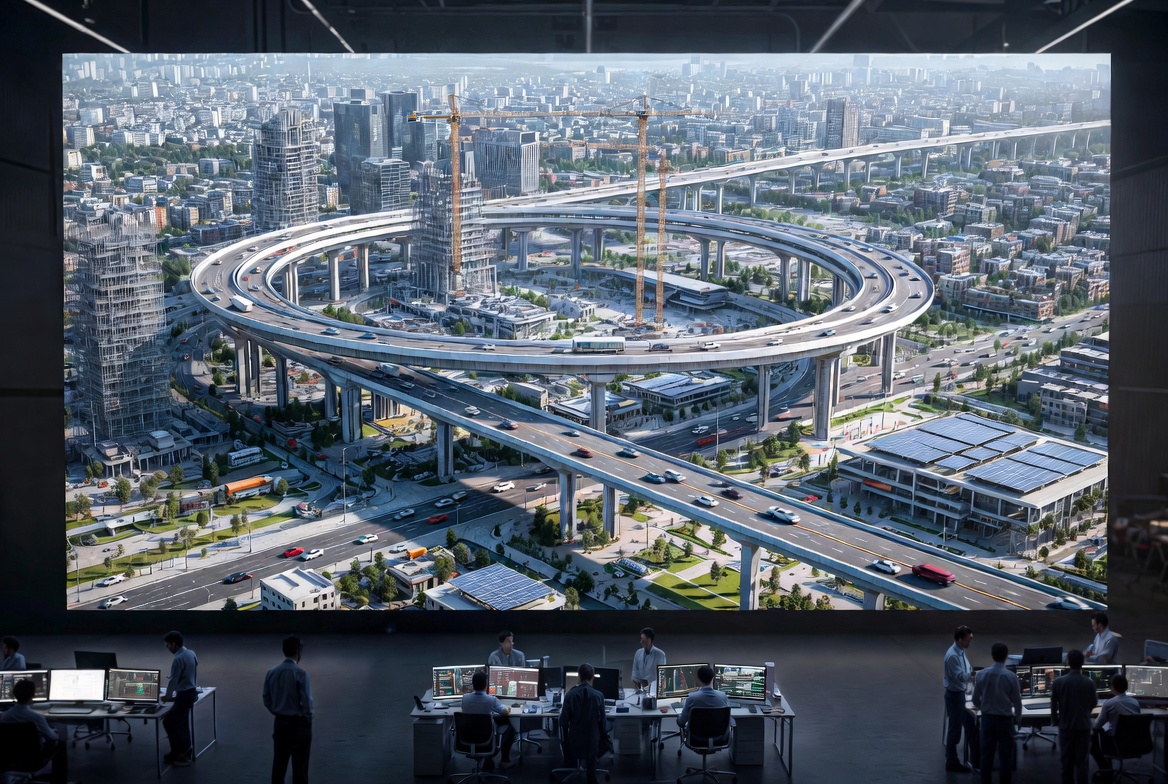
Transforming Infrastructure Projects With Cinematic 3D Visualization
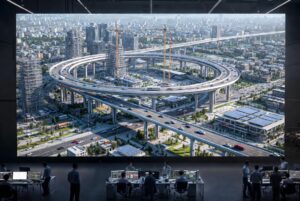
The current infrastructure projects are bigger, smarter and more complex than ever before. Highways and bridges, airports, rail systems, smart cities, and urban developments all involve planning of projects, which must be clearly communicated, well visualized, and soundly decided upon in advance before construction can commence.
This is where 3D animation plays a powerful role.
Envision Rendering develops movie-like 3D infrastructure animation that can be used to enhance the planning process, enhance presentations, streamline approvals, and enhance communication in a project.
What Is 3D Animation in Infrastructure Planning?
Getting a Visualization of Future Developments Pre-Construction.
3D animation refers to the process of making realistic animated graphics of infrastructure projects through advanced technology of architectural modeling and rendering.
In contrast to the statics or technical drawings, animated visualization enables the stakeholders to have a feel of how a project will operate in real-life settings.
These animations normally involve:
- Road networks
- Bridges & highways
- Rail systems
- Airports
- Smart city developments
- Public infrastructure
- Urban planning projects
- Landscape integration
3D animation can turn the technical ideas into a presentation that will be easy to comprehend by the clients, investors, and government officials. (fortes.vision)
Why Infrastructure Planning Needs 3D Animation
Improved Decisions Create Better Visualization
Big infrastructure projects entail a number of groups, technical information, and complicated planning processes.
Conventional 2D drawings can be inflexible in enabling the non-technical stakeholders to comprehend the project fully.
The solution to this problem is presented in 3D animation that produces realistic visual experiences that clearly illustrate:
- Project scale
- Traffic movement
- Public accessibility
- Environmental integration
- Infrastructure flow
- Construction impact
- Urban connectivity
The visualization is animated and assists the teams in finding design issues in the initial stages and enhance coordination of the project prior to the start of construction.
Improved Communication Between Stakeholders
Clear Presentations For Clients, Investors and Government Authorities
Approvals may be necessary in infrastructure projects and may include:
- Government departments
- Urban planning authorities
- Investors
- Contractors
- Public stakeholders
The communication process is made easier in 3D animation because technical complexity is substituted by visual and real world narrative.
Stakeholders may view the project as a cinematic walkthrough and flythrough animation instead of going through more complex engineering drawings.
This improves:
- Project understanding
- Presentation quality
- Investor confidence
- Approval processes
- Team collaboration
Architectural animation assists in project communication as a narrative, rather than a collection of drawings.
Better Urban Planning & Smart City Visualization
Bringing Large-Scale Developments to Life
The transportation systems, landscapes, utilities, public spaces and community interaction of urban infrastructure have to be carefully planned.
3D animation assists the planners in visualizing:
- Traffic circulation
- Pedestrian movement
- Public transportation systems
- Green spaces
- Smart city layouts
- Streetscape environments
- Infrastructure connectivity
This gives a better picture of the way in which future developments will operate under real world conditions.
There is an increasing use of interactive 3D visualization of cities to aid in urban planning and communication with the people. (arXiv)
Faster Project Approvals Through Realistic Visualization
Visual Clarity Helps Reduce Delays
Project approval is one of the key problems of infrastructure development.
Photorealistic animation assists the authorities to examine projects more effectively since presentation of the visuals is simpler to comprehend than technical documents solely.
3D animation supports:
- Environmental review presentations
- Planning board approvals
- Public consultation meetings
- Investor presentations
- Infrastructure proposal submissions
The realistic visualization minimizes control and enhances trust in the assessment of the project.
3D animation Improves Public Engagement
Assisting the Communities to know what to expect in the future.
Infrastructure development projects usually have a direct impact on the local people.
The 3D animation can assist residents in visualizing:
- Future roads
- Transit systems
- Public parks
- Building developments
- Environmental improvements
Communities will have the opportunity to see projects on immersive presentations instead of using complex maps and drawings.
Urban planning is now employing augmented reality and animated visualization in order to enhance the public awareness of infrastructure proposals.
Infrastructure Projects That Benefit From 3D Animation
Visualization Solutions for Large-Scale Developments
The uses of 3D infrastructure animation include:
Transportation Infrastructure
- Highways
- Bridges
- Rail systems
- Airports
- Metro stations
Urban Development
- Smart cities
- Community masterplans
- Mixed-use developments
- Public infrastructure projects
Commercial & Industrial Infrastructure
- Industrial facilities
- Logistics hubs
- Manufacturing developments
- Energy infrastructure
Public & Government Projects
- Educational campuses
- Healthcare facilities
- Recreational developments
- Municipal infrastructure
Photorealistic Rendering and its role in the animation of infrastructure
Naturalistic Detail Makes a better Project Presentation.
Contemporary infrastructure animation integrates film-like movement with photorealism.
This includes:
- Natural lighting
- Realistic materials
- Environmental effects
- Landscape detailing
- Vehicle & pedestrian movement
- Weather simulation
- Accurate terrain visualization
Such information can be used to make project presentations more realistic and immersive.
A still image depicts one single moment whereas animation provides a three dimensional space.
BIM / 3DAnimation Integration
Smarter Planning of Infrastructure With Intelligent Modeling
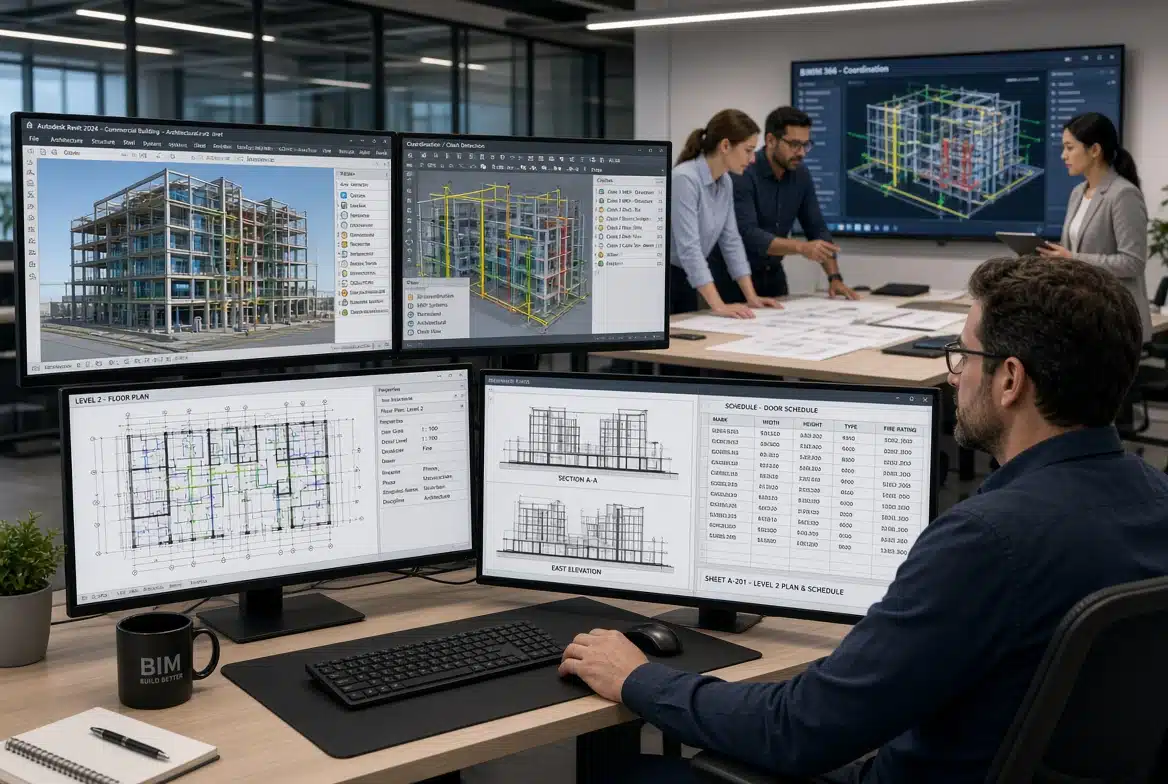
Most of the infrastructure projects are combining BIM workflow with the animation production.
The BIM-based visualization assists teams:
- Improve coordination
- Detect clashes early
- Simplify construction planning
- Manage infrastructure data
- Improve workflow accuracy
This integration makes the project development efficient, planning to construction.
Software Used For Infrastructure Animation
Professional Visualization Tools Behind Modern Infrastructure
Envision Rendering employs some of the most popular visualization software in the industry such as:
- 3ds Max
- V-Ray
- Corona Renderer
- Lumion
- Unreal Engine
- Revit
- SketchUp
These are high-tech tools used to make presentations of cinematic infrastructure with a realistic effect of the environment and high quality of animation.
Why Developers and Planners Prefer Envision Rendering
Development of Professional Infrastructure Visualization to Support planning
Envision Rendering provides quality infrastructure animation and visualization to architects, developers, urban planners, and construction companies.
Our services include:
- Infrastructure animation
- Urban planning visualization
- Site plan rendering
- BIM visualization
- Walkthrough animation
- Aerial flythroughs
- Landscape visualization
- Photorealistic rendering
Our technical accuracy and cinematic narrative contribute to better presentation of projects to the clients before construction starts.
Frequently Asked Questions
What is 3D animation in infrastructure planning?
The 3D animation is a process of developing realistic animated images of the infrastructure projects prior to construction.
What does 3D animation have to do with infrastructure projects?
It enhances communication of projects, planning, presentation of stakeholders and approval processes.
Can 3D animation support urban planning?
Yes. Animation is applied to visualize transportation systems, public spaces, and smart cities as well as community developments by urban planners.
What are the infrastructure projects that employ animation?
Common applications of 3D animation include roads, bridges, airports, rail systems, smart cities, industrial facilities as well as public developments.
What software do you use to animate infrastructure?
The software in use in professional studios includes Unreal Engine, Lumion, 3ds Max, V-Ray, Revit, and Twinmotion.
Make Infrastructure projects come alive with cinematic 3D animation.
Envision Rendering produces photoreal infrastructure animation that enhances planning, eases approvals, empowers investor presentations, and assists stakeholders to imagine future developments with certainty prior to the construction process.